Every parent wants their child to grow up happy and strong. In the early years, understanding emotions lays the groundwork for that. At top preschools like SIS Prep, this focus helps little ones handle feelings well before entering primary school. It builds kids who communicate clearly and face challenges with calmness.
Emotions Shape Early Growth
Young children feel everything deeply. Joy, anger, or sadness hit hard because their brains are still wiring up. Ignoring these leaves kids frustrated or withdrawn. But tuning in helps them name feelings, which cuts tantrums and boosts self-control.
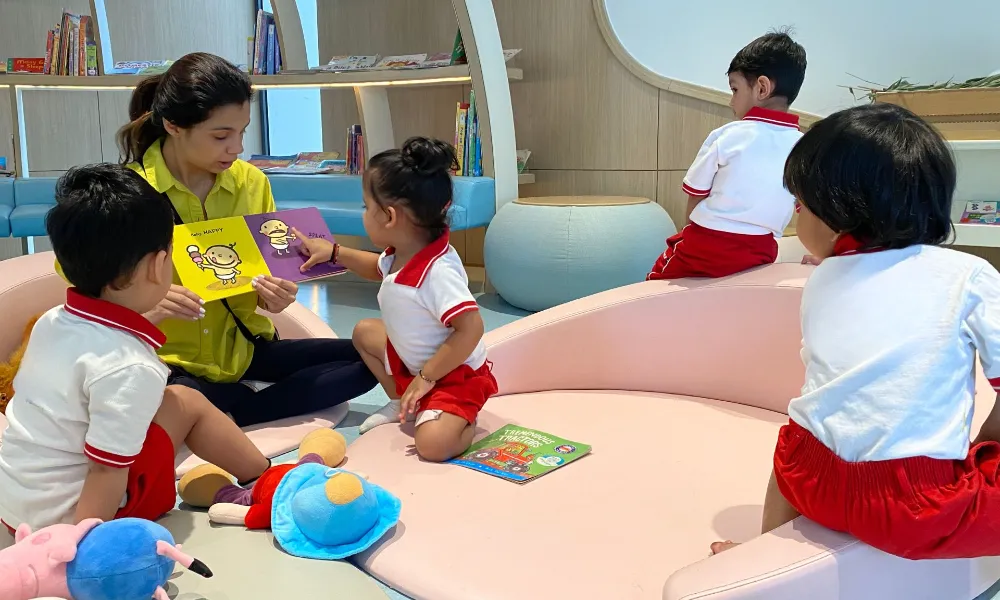
Research shows emotional skills predict school success more than IQ alone. In nursery schools, children who grasp emotions make friends more easier and learn better. They turn into confident thinkers. At SIS Prep, one of the leading preschools, daily circle sessions encourage children to express themselves through simple prompts like ‘I feel happy because…’, a foundational practice that nurtures empathy and emotional awareness from the very beginning.
Spot the Signs Your Child Shows
Watch body language first. Crossed arms or fidgeting often mean upset. Tears come late; parents have to catch the clues early. Facial hints like furrowed brows signal worry. In pre-primary school settings, teachers quickly identify these behaviours and guide children accordingly.
Listen to the tone too. A whiny voice hides tiredness or fear. Quiet withdrawal might mean overwhelm. Take notes based on patterns, like post-nap grumps. Over time, you read your child like a book. SIS Prep trains parents on these cues through workshops, making home life smoother.
Talk About Feelings Openly
Words bridge the gap. Use “I see you’re mad—want to tell me why?” instead of “Stop crying”. This validates without fixing. Name emotions daily: “You look excited about that toy.” Kids mirror back, building their vocabulary.
Avoid dismissing “Big boys don’t cry”; it shuts the door for openness in a child. Instead, let them share their feelings by sharing yours. The child will tell you every feeling, like “I felt sad when it rained, but then we played inside.” Model healthy outlets to develop empathy in your child. Top preschools like SIS Prep weave this into play, like puppet shows that act out scenarios, helping shy ones open up.
Play and Read to Build Bonds
Games teach emotions without lectures. Role-play with dolls: “Teddy feels lonely, how can we cheer him up?” Turns abstract into fun. Add books that bring colours. For example, playing games like “The Colour Monster” sorts jumbled feelings by hue. Read together, pause, and ask, “What colour is this?”
Outdoor play burns energy and sparks healthy conversations. In nursery school environments, structured play like SIS Prep’s sensory zones lets kids express themselves through touch. Parents join parent-child events; practising at home feels natural.
Stay Calm in Tough Moments
Parents set the tone, which gradually affects the behaviour of a child. Breathe deep when a meltdown hits; your steady voice anchors them. Hold space: “It’s okay to feel sad. I’m here.” Distract gently or hug them. Never punish the feeling; just guide better choices.
Routine steadies emotions. Predictable meals, naps, and bedtimes cut triggers. Track sleep every time, as overtired kids unravel fast. Pre-primary schools like SIS Prep use calm corners with soft toys and timers. Kids self-regulate, which develops a skill for life.
Practice Listening Habits Daily
Set aside 10 minutes undivided. No phones. Ask open questions: “What made you laugh today?” Reflect: “Sounds like park time was the best.” Builds trust with bedtime chats to unpack the day in a healthy way.
Mind your reactions. Yelling amps fear, and soft words invite sharing. If your child feels stuck, do journaling together. Draw scribbles if they are mad and hearts if they feel loved. Over weeks, this will help in deepening the bonds. SIS Prep’s Reggio-inspired approach celebrates these “languages of emotion”, turning every moment into learning.
Compare Ways to Teach Emotions
| Method | Pros | Cons | SIS Prep Fit |
| Naming Feelings | Builds vocabulary | Takes practice | Daily circles |
| Role-Play Games | Fun, hands-on | Needs props | Puppet/story time |
| Reading Books | Visual, relatable | Short attention | Themed library |
| Calm Corner Use | Self-soothe skill | Space required | Sensory rooms |
| Parent Workshops | Home carryover | Time commitment | Free sessions |
Handle Setbacks with Patience
For parents, patience is one of the biggest strengths in developing the emotional intelligence of a child. Having a child often comes with answering one question 5 times a day. It is naturally frustrating. But if we think positively, it constantly supports the mental growth of the child.
At SIS Prep, we encourage those who truly understand the consistent behaviour of a child and guide them accordingly.
Choose SIS Prep for Emotional Growth
In Ahmedabad’s nursery schools, SIS Prep stands as the top preschool. From 10-month-old learners to kindergarteners, their 7-Petal Approach nurtures hearts alongside minds. Joyful spaces invite expression and expert teachers model empathy.
The “100 Languages of Childhood” philosophy lets emotions bloom through art, play and talk. Explore our page sisprep.net or visit our campuses to give your child tools that balance both mental and emotional strengths.